
Why Contaminated Water Calls Go to the "Wrong" Company (And How to Fix It)
When a property owner is dealing with black water—a sewage backup, overflow, or contaminated loss—they're not browsing. They're solving a problem that feels urgent, unsafe, and expensive. This guide explains what actually happens in that first 60 seconds of decision-making.
That urgency changes everything about how people search, what they trust, and what makes them call. If your online presence doesn't match the moment, you lose the call—even if you're the better company.
They're Not Searching Your Industry Category
In a true Category 3 situation, searchers don't think in marketing terms. They don't type "restoration" or "mitigation." They search the problem—exactly what they're experiencing right now.
The pattern: problem-first, safety-first, fast-first. If your content only speaks in generic terms (water damage, restoration, mitigation), you can be technically "optimized" and still feel irrelevant to the person panicking on their phone.
Your messaging needs to clearly signal three things: you handle contaminated water and sewage specifically, you respond fast, and you follow proper safety protocols.
Why These Jobs Convert Differently
Contaminated water losses have three psychological accelerators that don't exist in "regular" water damage calls:
The Risk Factor
People aren't just worried about property damage—they're worried about exposure, bacteria, odors, kids, pets, and whether the home is even safe to occupy.
The Shame Factor
Sewage issues often feel embarrassing. Searchers want a company that sounds professional, discreet, and competent—not one that makes them feel worse.
The Proof Factor
Trust isn't optional in Category 3. Users scan for real project photos, recent reviews mentioning sewage/black water, clear safety steps, and 24/7 response clarity.
If those signals aren't obvious within seconds, the call goes to the next listing. That's why companies with worse reviews sometimes win—they just look more relevant in the moment.
What Searchers Check in 5 Seconds
According to Google's documentation on local search ranking, results are based primarily on relevance, distance, and prominence. For Category 3 calls, that means your Google presence needs to communicate specialization immediately.
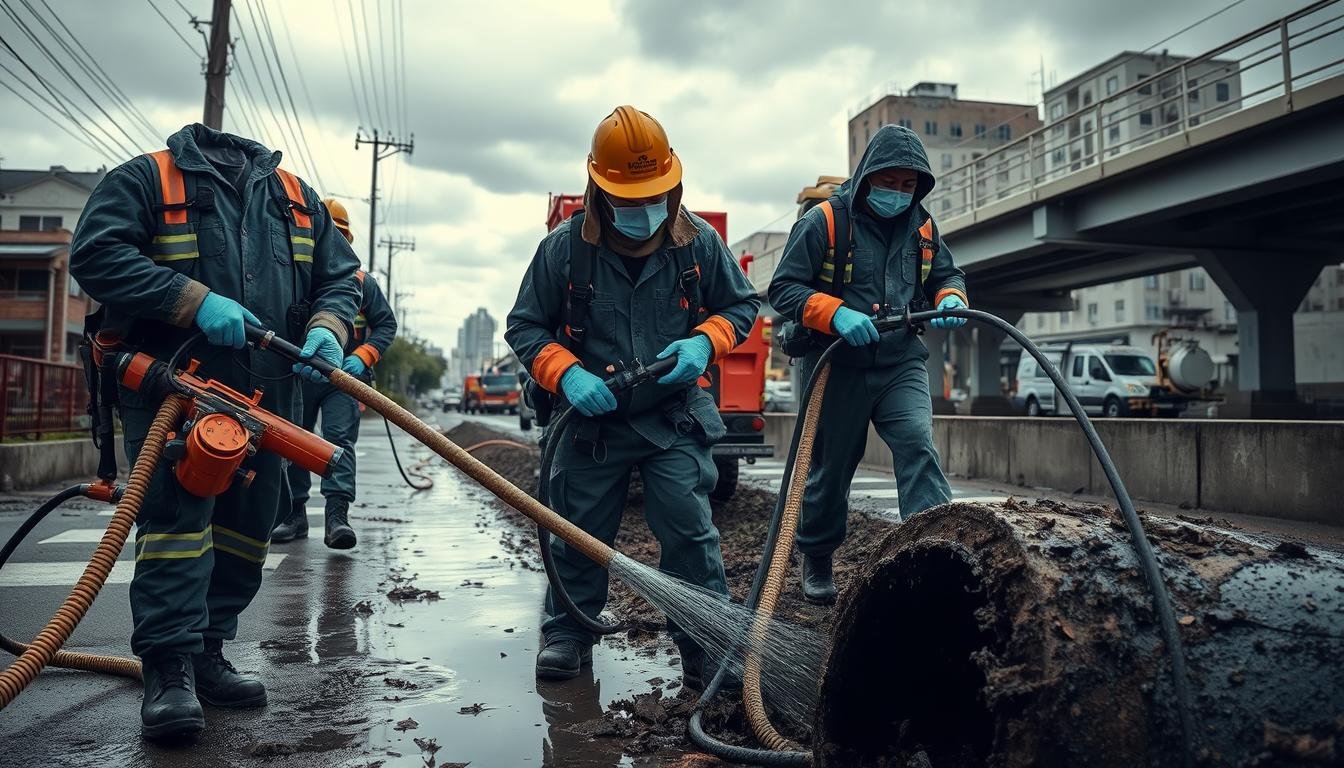
- Photos showing techs in proper PPE (real, not stock)
- Before/after shots with context (what happened + what you did)
- Reviews that mention "sewage backup," "black water," "toilet overflow"
- Clear emergency availability ("24/7" only if it's true)
- Service language that doesn't bury "sewage cleanup" under generic lists
The Content Mistake That Causes Missed Calls
Most companies working on black water cleanup visibility fall into one of two traps:
One generic "water damage" page tries to cover everything
You cram every keyword into one page, and it still fails to match contaminated-water intent. The homeowner doesn't see their specific problem addressed.
A "sewage cleanup" page exists, but reads like SEO filler
Repetitive wording, vague claims, no real proof. The IICRC S500 Standard defines Category 3 as "grossly contaminated"—your content should reflect that seriousness, not keyword stuffing.
Build content that answers what stressed searchers silently ask
"Is this company safe and qualified?" • "Will they show up fast?" • "Have they handled this exact situation before?" • "Am I going to get a straight answer when I call?"
Authority Signals That Actually Matter
Safety + Process Clarity (Simple, Not Technical)
Explain your steps in plain language a worried homeowner can understand:
Proof Assets That Reinforce "We Do This for Real"
Don't just ask for "a review"—ask customers to mention the situation
"Sewage backup in basement," "toilet overflow," "black water cleanup"—that language becomes both trust and relevance without stuffing your site copy. BrightLocal research shows 88% of consumers trust reviews as much as personal recommendations.
How to Support (Not Compete With) Your Main Service Page
This type of educational content should explain why contaminated water calls behave differently, highlight trust signals and Maps decision behavior, and teach what to fix. Then link once to your main contaminated water service page for readers who want the full system.
Want the Full System for Category 3 Visibility?
If you want a complete breakdown of how to build visibility and call flow specifically for contaminated water work, we've built a service around exactly this.
SEO for Contaminated Water Jobs → Or book a 15-min strategy callContaminated water jobs are not won by "more keywords." They're won by relevance + speed + trust, presented in the exact places people make decisions—especially Google Maps. When your online presence matches the moment, you stop losing calls to the next listing.
- IICRC. (2021). ANSI/IICRC S500 Standard for Professional Water Damage Restoration. Institute of Inspection, Cleaning and Restoration Certification.
- Google. (n.d.). How to improve your local ranking on Google. Google Business Profile Help.
- BrightLocal. (2025). Local Consumer Review Survey 2025. BrightLocal Research.
Ready to Win More Category 3 Calls?
We help water mitigation companies build visibility specifically for contaminated water searches. Book a quick strategy call and we'll show you what to fix first.
See Our Contaminated Water SEO Service → Or book a free audit call